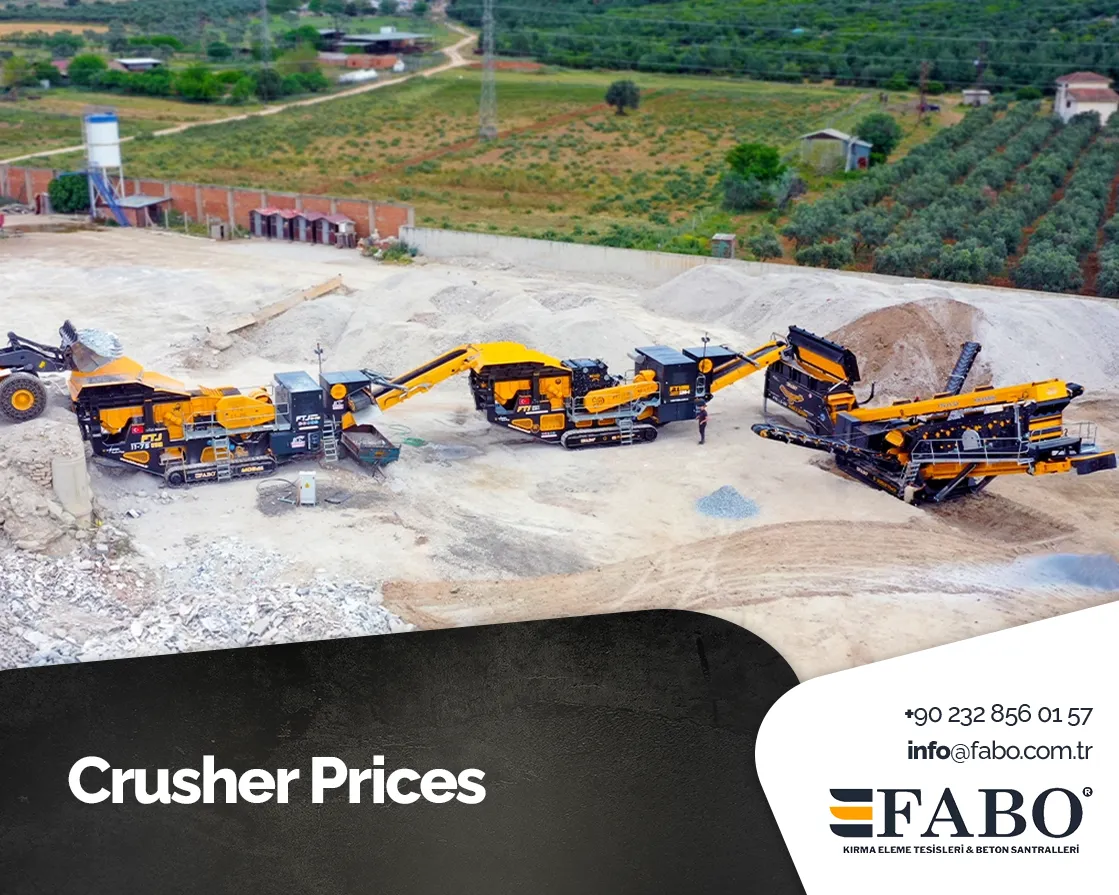
Crusher prices vary widely depending on the type of machine, production capacity, and intended application. Factors such as jaw size, crushing technology, automation level, and material quality play a significant role in determining overall cost. Heavy-duty crushers designed for mining or large construction projects typically fall into a higher price range, while compact or entry-level models used in small quarries or recycling operations are generally more affordable.
Crusher prices are additionally shaped by operational considerations such as energy efficiency, maintenance requirements, and spare part availability. Machines that offer lower fuel consumption, durable components, and easy servicing may have a higher initial purchase cost but can reduce long-term operating expenses. Transportation, installation, and optional features like mobile chassis or advanced control systems may further impact the final investment.
Jaw Crusher Price
Jaw crusher price is determined by a combination of technical specifications, production capacity, and operational durability. Key elements such as feed opening size, maximum input material strength, and hourly throughput directly affect pricing levels.
Larger jaw crushers built for continuous operation in mining, quarrying, or large infrastructure projects generally require reinforced frames, high-grade steel components, and advanced drive systems, which naturally place them in a higher price segment. In comparison, smaller units designed for limited workloads or secondary applications are more budget-oriented while still meeting basic crushing needs.
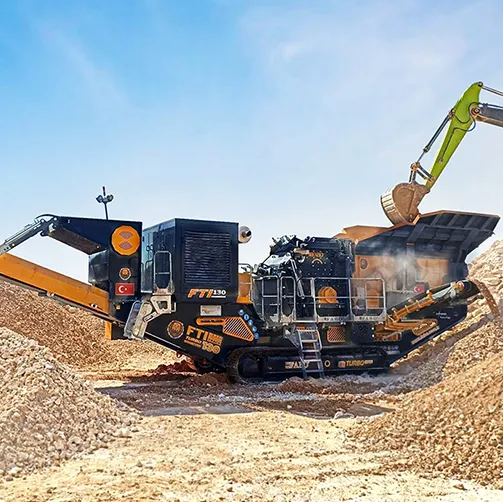
Another major factor shaping jaw crusher price is performance efficiency and lifecycle cost. Models that offer optimized crushing geometry, wear-resistant jaw plates, and simplified maintenance systems help reduce unplanned downtime and operating expenses over time.
When compared with other rock crushers, jaw crushers are often preferred for their straightforward design and reliable primary crushing performance. However, buyers should also evaluate how the crusher integrates with other crushing equipment in the production line, including feeders, conveyors, and screening systems.
Considering installation requirements, spare part availability, and long-term service support ensures that the selected jaw crusher delivers sustainable value rather than just an attractive initial price.
Cone Crusher Price
Cone crusher price varies according to crushing capacity, automation level, and the type of materials it is designed to process. High-capacity cone crushers used in secondary or tertiary crushing stages are typically engineered with advanced hydraulic systems, precision bearings, and robust liners, which increases their overall cost. Machines developed for hard and abrasive materials often require enhanced wear protection and more powerful drive units, positioning them at a higher price point compared to standard models.
In addition to technical specifications, cone crusher price is strongly influenced by operational efficiency and long-term performance. Crushers equipped with automated control systems, adjustable closed-side settings, and optimized crushing chambers can deliver consistent product quality while minimizing energy consumption. Although the initial investment may be higher, reduced maintenance frequency, extended liner life, and stable production output can significantly lower total operating costs over time. For this reason, evaluating cone crushers based on total cost of ownership provides a more accurate understanding of their real economic value.
In conclusion, cone crusher price should be assessed not only by the upfront cost but also by performance reliability, operating efficiency, and maintenance requirements. A well-selected cone crusher can deliver long-term cost advantages through stable production and reduced downtime.